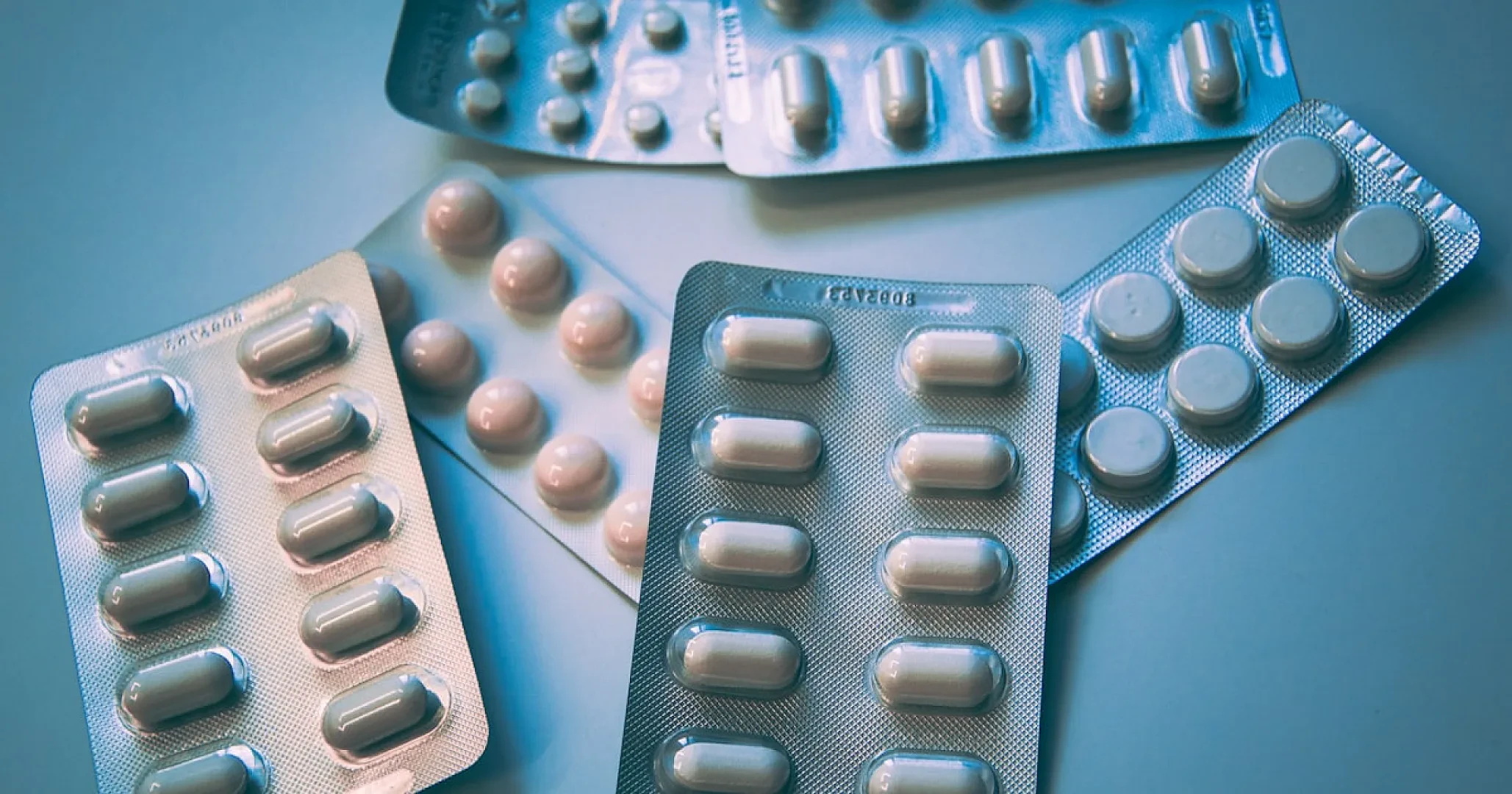
Flying with medication shouldn't be stressful, but the rules aren't always clear. Prescription pills, liquid medications, syringes, controlled substances: here's what TSA actually allows and how to pack it properly.
The Basic Rule
All medication is allowed through TSA checkpoints. This includes prescription drugs, over-the-counter medicine, vitamins, and supplements. The 3-1-1 liquid rule has exceptions for medically necessary liquids. You don't need to do anything special for standard pill bottles.
That said, how you pack medication affects how smoothly security goes.
Pills and Tablets
What TSA requires: Nothing special. Pills can stay in your bag during screening.
Best practices:
- Keep prescription medications in original labeled containers
- Bring enough for your trip plus a few extra days (delays happen)
- Pack medications in your carry-on, not checked luggage
- A copy of your prescription or doctor's note helps but isn't required domestically
Why original containers matter: TSA doesn't require them, but other situations do. If you're questioned by local police, going through customs internationally, or need to prove a prescription is yours, the labeled bottle is your documentation. Pill organizers are convenient but keep the original bottles in your bag too.
Liquid Medications
The exception: Medically necessary liquids are exempt from the 3.4oz limit. You can bring the amount you need.
How to handle it:
- Separate liquid medications from your regular toiletries
- Declare them at the checkpoint ("I have liquid medication")
- Remove them from your bag for separate screening
- They may test the liquid or swab the container
What counts: Prescription liquids, insulin, eye drops, liquid-filled capsules, liquid vitamins, cough syrup, and any medically necessary liquid or gel.
GLP-1 medications (Ozempic, Wegovy, Mounjaro, Zepbound): All four major GLP-1 injectables count as medically necessary liquids. Pack the original pen in your carry-on with the dispensing label intact. The 3.4-ounce limit doesn't apply, but you do have to declare them. Each drug has a different room-temperature window once opened (semaglutide pens last 28-56 days at room temp depending on brand; tirzepatide pens last 21-30 days). Our complete GLP-1 travel guide has the per-drug temperature ranges, sharps disposal rules, and time-zone dosing protocol.
Tip: Put liquid medications in a separate clear bag, apart from your regular liquids quart bag. This makes declaration easier and keeps screening focused on the right items.
Syringes and Needles
Allowed: Yes, when accompanied by injectable medication.
How to pack:
- Keep syringes with the medication they're used for
- Declare them at security
- Used needle disposal: bring a small sharps container or plan to use the one on the plane (most aircraft have them in lavatories)
Insulin-specific: Insulin pumps and continuous glucose monitors can go through scanners, but you can request a hand inspection if preferred. Inform TSA about any medical devices before screening begins.
Controlled Substances
Medications like Adderall, Xanax, opioid painkillers, and medical marijuana require more care:
Prescription controlled substances:
- Keep in original pharmacy container with your name on the label
- Bring only the amount prescribed for your trip duration
- Carry a copy of the prescription or doctor's letter
- Know the laws at your destination (some countries have different restrictions)
Medical marijuana:
- TSA does not search for marijuana specifically
- However, marijuana remains federally illegal in the US
- If discovered, TSA refers the matter to local law enforcement
- Even with a medical card, flying with marijuana is legally risky
- CBD products with less than 0.3% THC are allowed
International travel: Some medications legal in the US are banned elsewhere. Research your destination country's rules before traveling with controlled substances. Japan, UAE, and Singapore have particularly strict drug laws. If you have flexibility, pick a nonstop flight when you can. Each connection is another customs touchpoint, more screening, and more time your refrigerated meds spend outside their case. Compare nonstop and connecting routes on your trip before booking.
Medical Devices
Common devices and how they're screened:
| Device | Screening | Notes |
|---|---|---|
| CPAP machine | X-ray, remove from bag | Doesn't count against carry-on limit |
| Insulin pump | Walk through or hand inspection | Inform TSA before screening |
| Nebulizer | X-ray | Liquid medication screened separately |
| Oxygen concentrator | X-ray | FAA-approved required for in-flight use |
| Pacemaker/ICD | Metal detector or pat-down | Carry device ID card |
| Wheelchair | Manual inspection | Can remain seated through screening |
Requesting accommodations: TSA Cares (855-787-2227) provides assistance for travelers with disabilities or medical conditions. Call 72 hours before your flight to arrange special screening procedures.
Temperature-Sensitive Medications
Some medications need to stay cold:
- Ice packs and gel packs: Allowed when frozen solid at screening. Partially melted packs may be subject to additional inspection.
- Insulated medication bags: TSA allows these for medical purposes
- Dry ice: Allowed up to 5.5 lbs for medical purposes with airline approval. Must be properly labeled and packaged to vent.
Practical tip: Request ice from flight attendants mid-flight for long journeys. Hotels can usually store medication in their refrigerators upon request.
Documentation to Carry
For most domestic travel, you don't need documentation. But these situations warrant paperwork:
- Controlled substances: Copy of prescription, doctor's letter
- Large quantities: Documentation explaining why you need a 90-day supply
- Syringes: Letter explaining injectable medication
- International travel: Prescription translated into local language for some countries
- Medical devices: Manufacturer documentation, especially for implants
Keep copies: Photo of prescriptions on your phone, paper copies in your bag. If a bottle gets lost, documentation helps replace it at your destination.
Packing Checklist
- ☐ All medications in carry-on (never checked bag)
- ☐ Prescription meds in original containers
- ☐ Extra supply beyond trip duration
- ☐ Liquid medications in separate clear bag
- ☐ Syringes packed with corresponding medication
- ☐ Copies of prescriptions accessible
- ☐ Doctor's letter for controlled substances or unusual quantities
- ☐ Cooling supplies for temperature-sensitive meds
- ☐ Research destination country's medication laws (international)
If Something Goes Wrong
Medication confiscated: This is rare for legitimate prescriptions. If it happens, ask for a supervisor. Document names and badge numbers. File a complaint with TSA afterward.
Medication lost or damaged: Contact your pharmacy about emergency refills. Many chains can transfer prescriptions between locations. Your doctor may be able to call in a prescription to a pharmacy at your destination.
Flight delayed and your meds need refrigeration? If you're traveling with insulin, GLP-1s, or other temperature-sensitive medications and your flight is delayed past your insulated case's window, check live airport delays to see whether the cascade is ending or continuing. Most major airport medical clinics can refill prescriptions on the spot if your delay stretches past your supply.
Ran out during trip: Walk-in clinics can often prescribe short-term supplies of non-controlled medications. For controlled substances, this is much harder. Always pack extra.
Frequently Asked Questions
For pills and tablets, no. For liquid medications over 3.4 ounces or for injectable medication with sharps, yes. Tell the screener at the start of the checkpoint and place the items in a separate bin for inspection.
CBD products with less than 0.3% THC are federally legal under the 2018 Farm Bill and TSA-permitted. Hemp-derived CBD oils, tinctures, and gummies that meet that threshold can go in carry-on. CBD products above 0.3% THC, including most state-legal medical marijuana, remain federally illegal.
No. The original pharmacy label on the bottle is enough for domestic travel. Bring a doctor's letter for controlled substances, unusual quantities, or any international flight where customs may ask.
Yes. You can keep it on through the metal detector or request a hand inspection. Inform the TSA officer before screening starts. Your CGM (continuous glucose monitor) can also stay on, though some manufacturers recommend hand inspection over X-ray for the sensor.
Pack it in a small insulated case with a frozen gel pack. The gel pack must be frozen solid at the checkpoint or screeners can confiscate it. Carry-on only, never in checked baggage. For long trips, see our GLP-1 travel guide for temperature thresholds and 12-24 hour case ratings.
Related questions
Can I bring Ozempic on a plane?
Yes. Ozempic, Wegovy, Mounjaro, and Zepbound all qualify as medically necessary liquids. Pack the pen in your carry-on with the original label, declare at security, and bring a frozen gel pack if you need to keep it cold. The full per-drug temperature and dosing playbook is in our GLP-1 travel guide.
Can I bring Adderall on a plane?
Yes, but follow the controlled substance protocol. Keep it in the original pharmacy bottle with your name on the label, bring a doctor's note or prescription copy, and only carry the amount needed for the trip.
Can I bring liquid medication on a plane in checked luggage?
You can, but never put injectable medications, refrigerated medications, or anything you cannot easily replace in checked luggage. Cargo holds reach extreme temperatures and bags get lost. Carry-on is the only safe place for anything irreplaceable.
Can I take prescription medication internationally?
Most countries allow personal-use prescriptions in original packaging with a doctor's letter. A handful, including Japan, the UAE, and Singapore, have strict import rules. Check the destination country's official health ministry site, not a travel blog, before you fly.
What if my prescription bottle's label is in a different language?
For domestic flights it's not a problem. For international travel returning to the US, customs may ask. Bring a printed translation of the prescription or a doctor's letter in English to avoid friction.
Sources
- TSA, Medical Items: What Can I Bring? Retrieved 2026-05-06. tsa.gov
- TSA, Special Procedures: Medical Conditions and Medications. Retrieved 2026-05-06. tsa.gov
- TSA Cares Request Form. Phone: (855) 787-2227 (call at least 72 hours before your flight). Retrieved 2026-05-06. tsa.gov
- U.S. Department of State, Medicine and Health (international travel). Retrieved 2026-05-06. travel.state.gov
Flying with medication is allowed and straightforward. Pack smart, keep documentation handy, and declare anything unusual. The goal is no surprises at security.