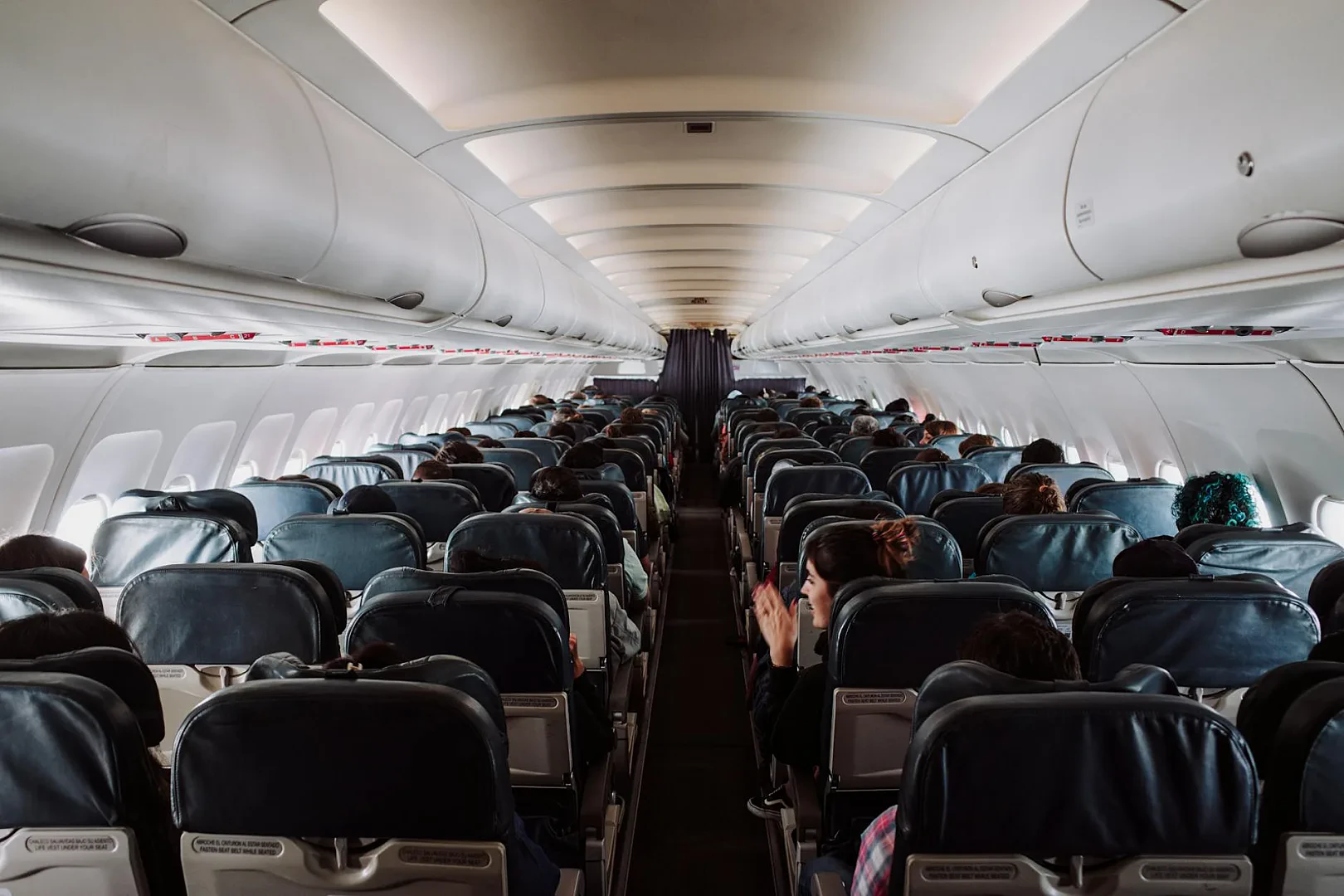
I've spent more hours than I'd like to admit staring at seat maps, agonizing over whether 14A or 14C would make or break my flight. After hundreds of flights across dozens of airlines, I've learned that the aisle vs window debate isn't actually a debate at all. It's a deeply personal choice that depends entirely on who you are as a traveler.
- Window seats win for sleeping, views, and wall leaning
- Aisle seats dominate for bathroom access, stretching, and quick exits
- The "best" seat changes based on flight length, time of day, and your body's needs
- Exit rows and bulkhead seats aren't always the upgrade they seem
- Use SeatGuru to check specific aircraft configurations before booking
Aisle vs Window: The Real Tradeoffs Nobody Talks About
The classic aisle vs window best airplane seats ranked for every flyer question comes down to three factors: control, comfort, and convenience. Window gives you control over the shade and a wall to lean against. Aisle gives you freedom to move without climbing over strangers.
Here's what actually matters on each side:
| Factor | Window Seat | Aisle Seat |
|---|---|---|
| Bathroom Access | Worst (climb over 1-2 people) | Best (instant access) |
| Sleep Quality | Best (wall support) | Poor (cart bumps, no wall) |
| Legroom Feel | Standard | Better (can stretch into aisle) |
| Exit Speed | Slowest | Fastest |
| Views | Excellent | None |
Best Window Seat in Flight: Not All Windows Are Equal
I learned this the hard way on a Delta 737 when my "window seat" had no window at all. Just a blank wall where the view should have been. The thing no one tells you: window seats near the wing often have obstructed or partial views, and some rows have windows that don't align with the seats.
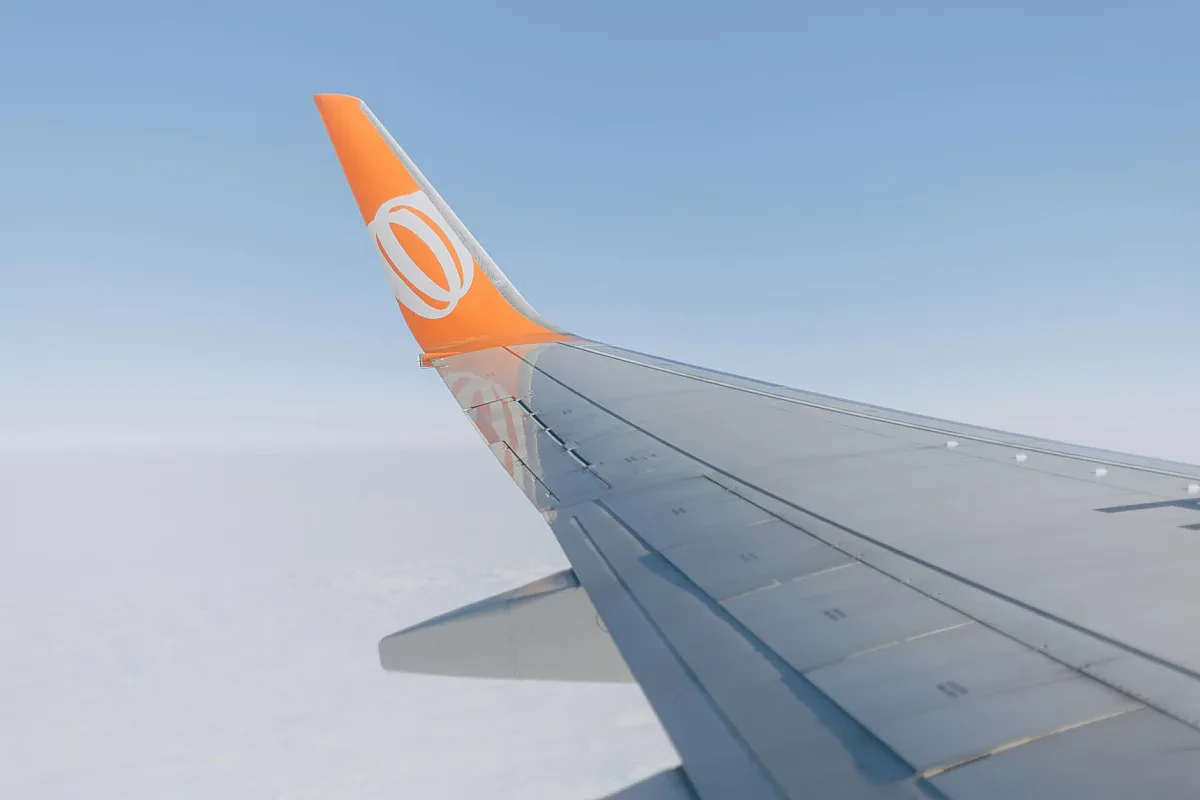
For the best window seat views, aim for rows ahead of the wing or well behind it. On most narrow-body aircraft, rows 8-12 and 22-28 tend to offer unobstructed views. But this varies wildly by aircraft type.
Window or Aisle Seat for International Flights
Long-haul changes everything. On a 3-hour domestic hop, seat choice is preference. On a 14-hour transpacific flight, it's survival strategy.
For international flights, my recommendation shifts based on your priorities:
- Choose Window If: You can sleep on planes, have a small bladder capacity, want to control light exposure for jet lag management, or you're flying over scenic routes (Greenland, Alps, Grand Canyon)
- Choose Aisle If: You need bathroom access more than twice per flight, have circulation concerns, get antsy sitting still, or have a tight connection upon landing
The aisle vs window best airplane seats ranked for every flyer international question gets more nuanced on wide-body aircraft. Many 777s and A350s have a 3-4-3 or 3-3-3 configuration, meaning the middle section has no window or aisle access at all. Always grab the outer sections on these planes.
What Are the Best Seats on a Plane in Economy
Beyond the aisle-window debate, seat location matters enormously. Here's my honest ranking after flying economy on American, Delta, and United extensively:
| Seat Location | Pros | Cons | Best For |
|---|---|---|---|
| Exit Row | Extra legroom (up to 6") | No recline, cold, window seats may lack window | Tall travelers |
| Bulkhead | No one reclining into you | No under-seat storage, fixed armrests, bassinet noise | Those who hate recliners |
| Front of Economy | First off plane, less engine noise | Often costs extra, galley noise | Business travelers with connections |
| Back of Plane | Often emptier, more overhead space | Last to deplane, more turbulence, bathroom lines | Families, those wanting empty middle seats |
The 3 Seat Trick: Does It Actually Work?
You've probably heard this one: book an aisle and window in a three-seat row, leaving the middle empty. The theory is that middle seats fill last, so you might get the whole row to yourself.
In 2026, this trick is mostly dead. Airlines have gotten smarter with load factors, and flights are consistently packed. I've tried this strategy probably 30 times over the past few years, and it's worked maybe twice. Both times were on red-eyes departing Tuesday nights.
Aisle vs Window Best Airplane Seats Ranked for Every Flyer: Delta, American, and United Compared
Airline choice affects your seat experience more than you'd think. Here's what I've noticed:
Delta: Generally the widest economy seats among the big three (17.2-18.1 inches). Their A321neo aircraft have particularly comfortable window seats. The Comfort+ section offers decent value for extra legroom.
American: Tighter seats on many aircraft (16.6-17 inches on some 737s). Their 777-300ER has excellent window seats in the mini-cabin behind business class. Avoid the last few rows near the lavatories.
United: Hit or miss. Their new 737 MAX aircraft have improved seats, but older 757s feel cramped. The Polaris-configured 777s have decent economy window seats if you're in the forward cabin.
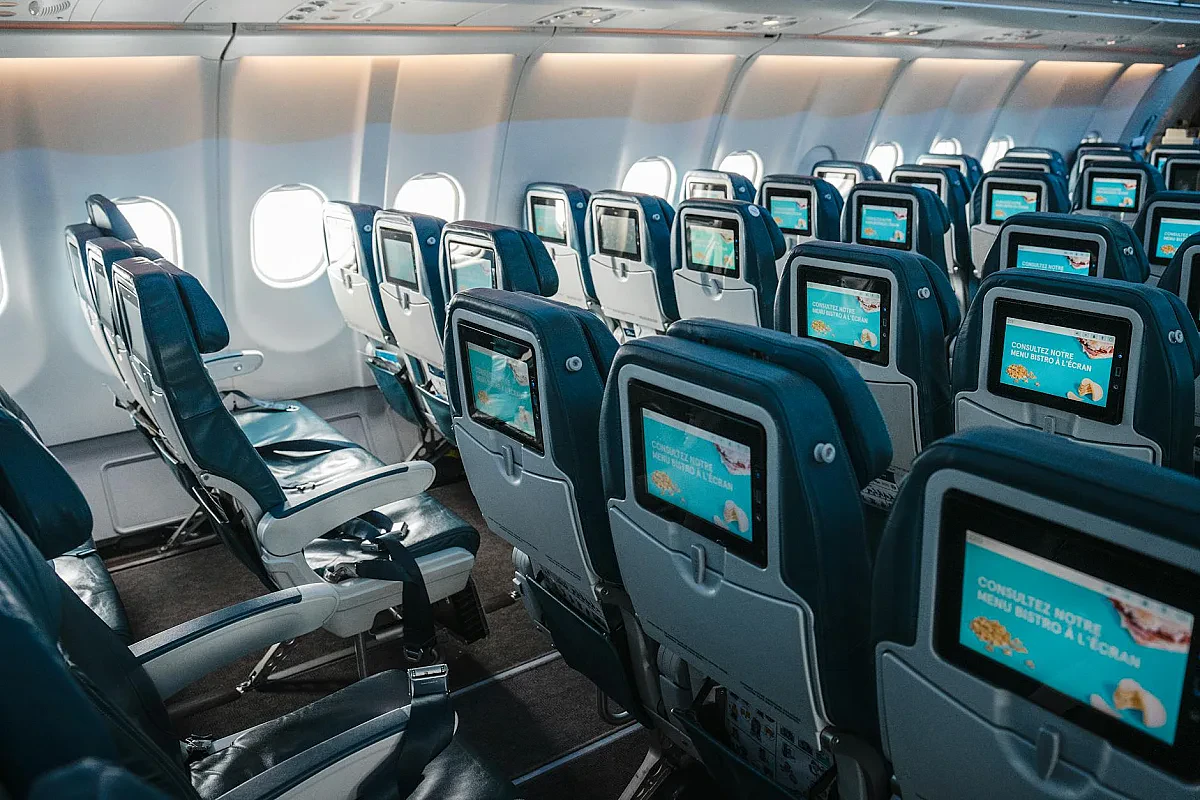
My Personal Seat Selection Strategy
After all these flights, here's exactly how I choose:
- Under 3 hours: Aisle, every time. I want off that plane fast.
- 3-6 hours daytime: Window if scenic route, aisle otherwise.
- Red-eye domestic: Window for sleeping against the wall.
- International overnight: Window if I can sleep, aisle if I can't.
- Tight connection: Aisle, front of economy, no exceptions.
For your first time flying, I'd actually recommend a window seat. There's something genuinely magical about watching takeoff and seeing cities shrink below you. Check out our first time flying guide for more tips on making that initial flight smooth.
If you're dealing with flight cancellations, seat choice becomes irrelevant fast. Focus on rebooking strategies instead.
Frequently Asked Questions
Neither is universally better. Window wins for sleeping and views; aisle wins for bathroom access and stretching. Your best choice depends on flight length, time of day, and personal needs.
Booking the aisle and window seats in a three-seat row, hoping the middle stays empty. In 2026, this rarely works due to high load factors on most flights.
Exit row aisle seats offer the best combination of legroom and accessibility. However, they lack recline and storage. For pure comfort, front-of-economy aisle seats balance quick deplaning with standard amenities.
Window seats ahead of the wing (typically rows 8-12) or behind it (rows 22-28) offer the clearest views. Check SeatGuru for your specific aircraft to avoid misaligned windows.
Exit row seats for legroom, front-of-economy for quick deplaning, or back rows for potentially empty adjacent seats. The "best" depends entirely on what you prioritize.
Related Questions
Is a window or aisle seat better on a plane?
It depends on your priorities. Window seats provide wall support for sleeping, control over the shade, and views. Aisle seats offer easy bathroom access, ability to stretch legs, and faster deplaning. For overnight flights, window often wins; for daytime flights under 4 hours, aisle tends to be more practical.
What is the 3 seat trick?
A booking strategy where two travelers select the aisle and window seats in a three-seat row, leaving the middle empty. The hope is that no one will choose the middle seat, giving you extra space. This worked better years ago; modern flights are too full for it to be reliable.
What is considered the best seat on a plane?
Most frequent flyers consider exit row aisle seats the best in economy due to extra legroom and easy access. Bulkhead seats are popular for those who hate people reclining into them. Front-row economy seats offer quick deplaning but often cost extra.
Which seat on a plane has the best view?
Window seats positioned ahead of or behind the wing offer the clearest views. Rows over the wing have partially obstructed sightlines. For sunrise/sunset views, choose the correct side based on your flight direction. Eastbound morning flights: left side for sunrise. Westbound evening flights: right side for sunset.
The aisle vs window best airplane seats ranked for every flyer debate will never have a universal winner. But now you have the framework to make the right choice for your specific situation. Pick based on your body's needs, your flight's length, and what you actually want from those hours in the air.